The Importance of Ongoing Charity (Sadaqah Jariyah) and Its Types

2025/05/15
813

Table of Contents
Loading table of contents...
Ongoing charity (sadaqah jariyah) is among the noblest deeds and greatest acts of worship in Islam. It is a lasting investment in goodness whose impact and reward continue long after a person has left this world. It is like a flowing river of blessings that refreshes the giver in the grave and on the Day of Judgement, leaving a permanent mark of good on the lives of others and on society as a whole.
The Importance of Ongoing Charity in Islam
The importance of ongoing charity lies in the fact that both its benefit and its reward continue, which is what sets it apart from ordinary charity, whose reward ends once its immediate benefit is spent. The Prophet (peace be upon him) encouraged this kind of giving in many hadiths, the most well known being his saying: "When a person dies, their deeds come to an end except for three: an ongoing charity, knowledge that continues to benefit others, or a righteous child who prays for them." This noble hadith makes clear the tremendous standing of ongoing charity, and that it is one of the few deeds that keeps earning reward for the giver even after death.
The Benefits and Fruits of Ongoing Charity
Ongoing charity brings many benefits, both to the giver and to the wider community. Among the most significant are:
- Earning God's pleasure and a good end: charity extinguishes the Lord's anger and wards off an evil death.
- Growth and blessing in one's wealth: contrary to what some may assume, charity does not diminish wealth. It increases its blessing and abundance, just as God Almighty has promised.
- Shade on the Day of Judgement: ongoing charity becomes shade for the giver on the Day of Judgement, a day when there is no shade but His.
- Expiation for sins and wrongdoing: charity helps purify the soul of its sins.
- Benefit for those who have passed: a Muslim may give ongoing charity on behalf of departed loved ones, so that its reward reaches them and becomes light and mercy for them.
- Building social solidarity: ongoing charity helps meet the needs of the poor and vulnerable, and strengthens the bonds of love and cooperation between people.
- Developing and enriching communities: through sustainable charitable projects that provide essential services such as education, healthcare and shelter.
- Spreading knowledge and learning: when charity goes towards spreading beneficial knowledge, its impact reaches across generations.
Types of Ongoing Charity
Ongoing charity takes many forms, and every good work whose benefit continues to reach people falls under this great category. The most prominent types include:
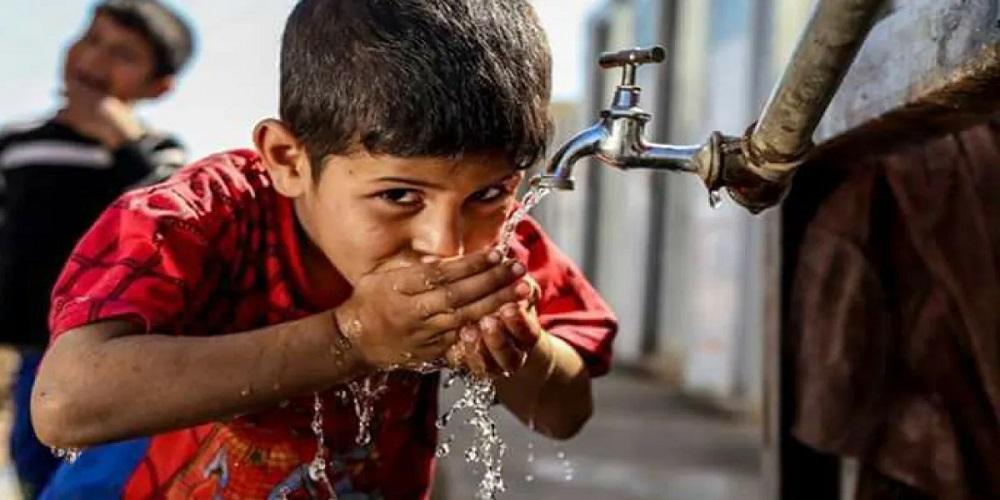
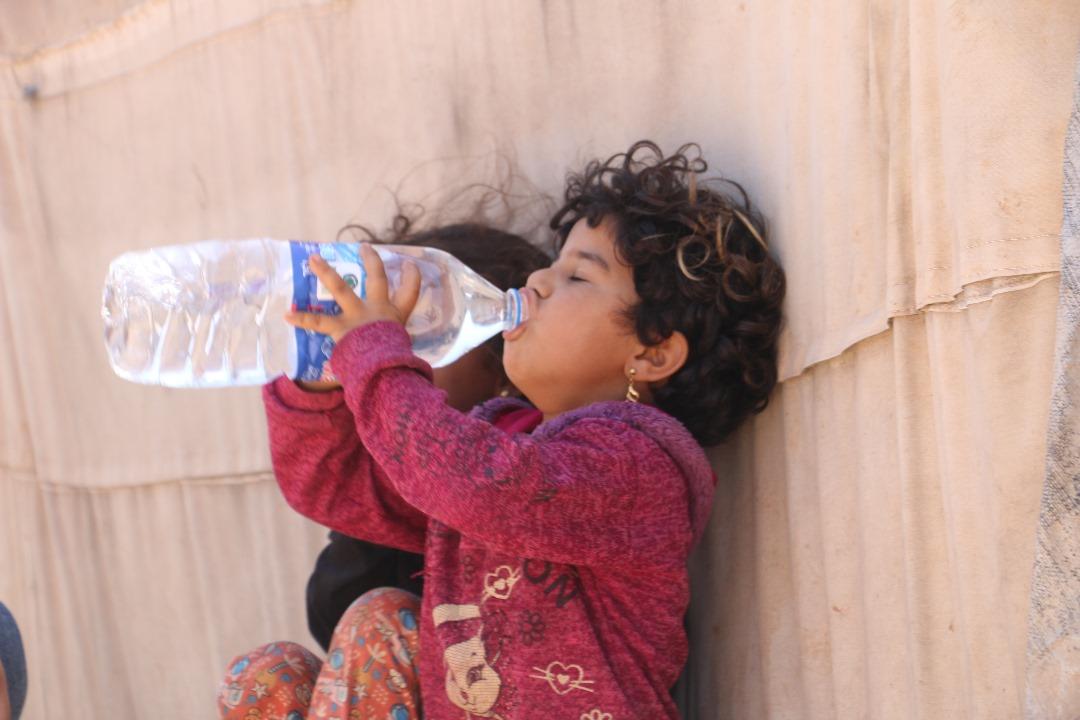
- Providing water: giving people access to water is considered one of the very best forms of charity. It includes digging wells, building desalination plants, installing water coolers in public places, and extending water connections to homes in need.
- Building mosques and places of worship: a mosque is a place for prayer, remembrance and religious learning, and its reward continues for as long as it is used.
- Building schools and educational institutions: teaching people beneficial knowledge is among the greatest acts of worship, and its reward continues for as long as generations keep learning there.
- Building hospitals and health centres: providing care for the sick and easing their suffering is a noble humanitarian act whose benefit endures.
- Planting fruit-bearing trees: people, animals and birds all benefit from their shade and their fruit, and every time someone eats from them the giver earns reward.
- Endowing copies of the Qur'an and beneficial books: printing and distributing the Qur'an, along with worthwhile religious and educational books, so that readers may benefit from them.
- Sponsoring orphans and students: caring for and supporting orphans until they can stand on their own feet, and helping students complete their education, are noble deeds whose benefit continues.
- Establishing charitable endowments (waqf): setting aside an asset, such as a property or a farm, so that its income is permanently spent on various good causes.
- Building shelters and care homes: providing a roof for the homeless, the poor, orphans and the elderly.
- Developing sustainable livelihood projects: such as setting up small businesses for families in need that give them a steady income.
The doors to ongoing charity are wide and varied, and they are not reserved for those with great wealth. Every Muslim can contribute whatever they are able to give, however small, for God blesses the little that is given with a sincere heart. Ongoing charity is not simply a financial donation; it is a long-term vision for doing good, an effort to leave behind a lasting mark that endures even after the body has gone, standing as a witness to sincere faith and a tireless pursuit of God's pleasure and the service of His creation.